How to Avoid Flowers With Negative Meanings Abroad
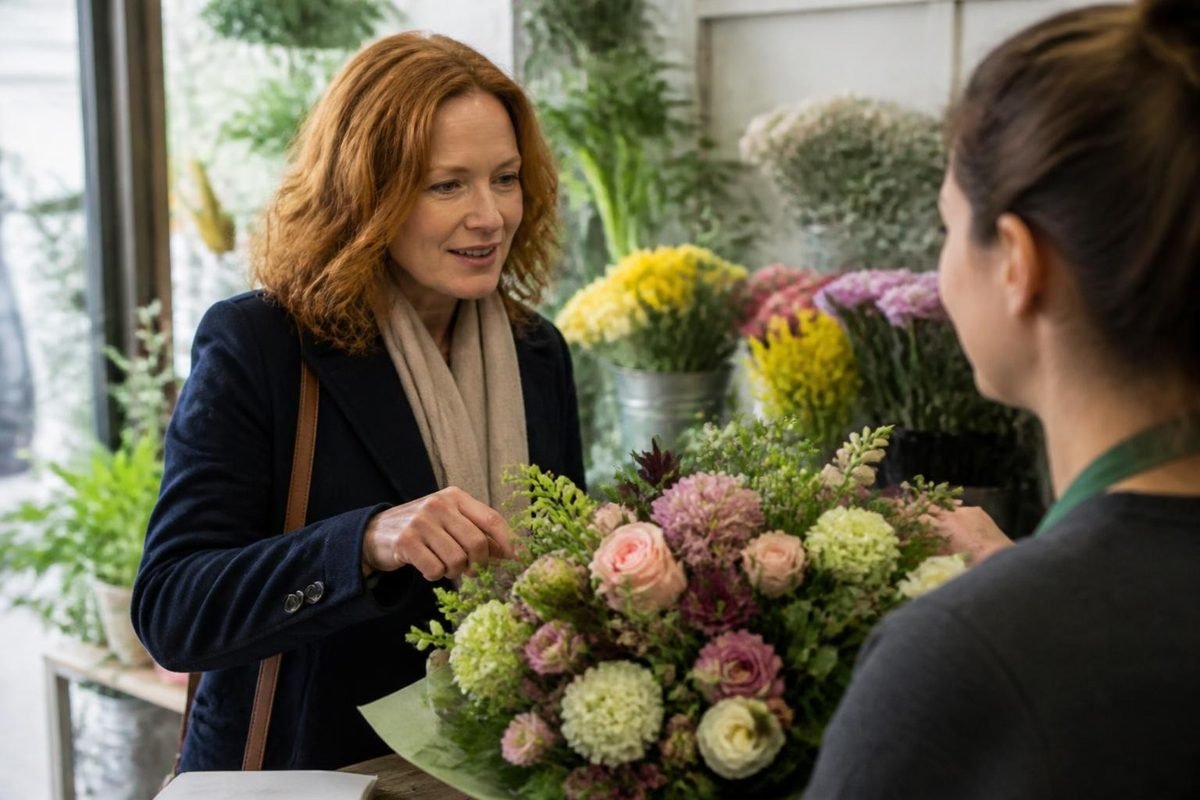
To avoid giving flowers with negative meanings abroad, check local customs before choosing the flowers, colors, and number of stems. Meanings vary by place and occasion, so a local florist or someone who knows the recipient can help you make a comfortable choice.
Start with the occasion
A flower that feels cheerful in one setting may be closely associated with mourning in another. In France and Italy, for example, chrysanthemums are strongly associated with graves and remembrance. They may be a poor choice for a dinner invitation or a birthday, even though they are welcome garden flowers elsewhere.
Consider the relationship as well as the event. Red roses are widely associated with romantic love, so they may send a more intimate message than you intend to a colleague or a host. A mixed bouquet can feel less pointed, though its flowers and colors still deserve a quick check.
Do not assume every person in a country reads a bouquet the same way. Family habits, religion, region, and personal taste can all matter. The aim is not to memorize a fixed code, but to avoid a choice that might make the occasion uncomfortable.
Pay attention to color and number
Color can carry meaning beyond the flower itself. In China, white is traditionally associated with mourning, so an all white arrangement may be unsuitable for a celebration. A little white among other colors is not necessarily a problem, but local advice is useful if you are unsure.
The number of stems can matter too. In Russia, an even number of flowers is traditionally taken to a funeral or grave, while an odd number is given on happy occasions. Ask about the custom before ordering rather than relying on the number you would normally choose at home.
These associations are not universal rules. A recipient may love a particular flower regardless of its traditional meaning. If you know that preference firsthand, it can be more useful than a general guide.
Check before you order
A few minutes of research can prevent an awkward gift. Give the person helping you enough context to suggest an arrangement that fits.
- Note the destination, occasion, and your relationship to the recipient.
- Ask a local florist which flowers, colors, or stem counts to avoid for that occasion.
- Check with a local colleague, friend, or host if the gift is for a formal visit or an unfamiliar celebration.
- Choose an arrangement based on that advice, and include a short card so your intention is clear.
Keep the choice simple
If you cannot get reliable advice, avoid an arrangement made entirely of flowers or colors you know may be associated with mourning. Choose a modest mixed bouquet and describe the occasion when you place the order. If you are visiting someone at home, you can also ask in advance if flowers would be welcome.
The most thoughtful choice is one that respects the recipient rather than a rule taken out of context. When in doubt, ask someone close to the occasion and let their local knowledge guide you.
A useful next read: Poles living in Vienna